Claude Code Source Leak: What It Reveals About MCP
512,000 lines of leaked TypeScript show how Anthropic builds multi-agent orchestration, plugins and permission-gated tool calling — and what it means for MCP.
A missing .npmignore entry in Claude Code v2.1.88 exposed 512,000 lines of unobfuscated TypeScript. What we found inside validates every bet the MCP ecosystem has made over the past year.
On March 28, 2026, Anthropic accidentally published the full source code of Claude Code to npm. Within hours, developers across the world were reading through the internals of the fastest-growing AI coding tool in GitHub history (currently sitting at nearly 100,000 stars).
We spent the weekend analyzing the architecture. Here is what stood out, what it confirms about MCP, and what MCP server builders should be paying attention to right now.
What the Leak Revealed
The source code exposes five major systems that were previously undocumented or only partially visible:
| System | Status | What It Does |
|---|---|---|
| Multi-Agent Orchestration | Experimental (disabled by default) | A coordinator spawns and manages sub-agents with shared task lists, dependency tracking, and file locking |
| Voice Mode | Rolling out (~5% of users) | Push-to-talk dictation via /voice command, spacebar-activated |
| Plugin System | Documented, production-ready | Bundles skills, MCP servers, slash commands, and sub-agents into installable packages |
| Skill System | Active, extensible | Markdown-defined task templates that auto-activate based on context and YAML trigger rules |
| Buddy System | April Fools' Easter egg | A full Tamagotchi-style companion pet with gacha mechanics, species rarity, and shiny variants |
Yes, the Buddy System is real code. No, it is not a serious product feature. The teaser window is gated to April 1-7, 2026. Anthropic has a sense of humor. Moving on.
The Architecture Mirrors MCP
This is the part that matters for anyone building in the MCP ecosystem.
Claude Code's internal architecture is built on the exact same primitives that MCP standardized: discrete, permission-gated, schema-defined tools. Every tool call goes through an approval layer. Every action is typed and constrained. The agent does not have free-form access to the system. It requests capabilities, and the user (or an automated policy) grants them.
This is not a coincidence. Anthropic created MCP. But seeing it implemented at this scale, inside their own flagship product, is the strongest validation signal the ecosystem has received.
It means:
- The tool pattern is the architecture. Not an abstraction layer. Not middleware. It is how Anthropic's own agents interact with the world.
- Permission-gating is non-negotiable. Claude Code enforces approval flows on every sensitive action. If Anthropic does not trust their own model with unrestricted tool access, nobody should.
- Schema-first design wins. Every tool in the source code has a JSON Schema definition. MCP servers that follow this pattern are already compatible with where things are heading.
Multi-Agent Is No Longer Theoretical
The "Agent Teams" feature in the source code is the most significant reveal for MCP builders.
Here is how it works: one Claude Code session acts as team lead. It spawns independent sub-agents that work in parallel, each with their own context. They communicate via a shared task list with dependency tracking and coordinate file access through a locking mechanism.
This is the first time we have seen a major AI vendor ship (even experimentally) a production-grade multi-agent coordinator that operates over real codebases.
The implications for MCP server design are immediate:
- Concurrency matters. MCP servers need to handle multiple simultaneous agent sessions hitting the same resources. If your server assumes one agent at a time, it will break in a multi-agent context.
- State isolation is critical. Each sub-agent operates independently. MCP servers should not leak state between sessions unless explicitly designed to share it.
- Event-driven patterns are coming. The source hints at monitoring tools and agent triggers. MCP servers that can emit events (not just respond to requests) will have a structural advantage.
The Plugin System Is an Ecosystem Play
Claude Code's plugin system bundles four things into a single installable unit: skills, MCP servers, slash commands, and sub-agent definitions. This is Anthropic building a distribution layer for AI capabilities.
For MCP server authors, the plugin system changes the distribution model. Instead of asking users to manually configure server connections, a plugin can ship an MCP server pre-configured with the right permissions, skills that know how to use it, and commands that surface its capabilities.
This is how MCP goes from a protocol that developers wire up manually to something that end users install with a single command. The distance between "cool demo" and "production tool" just got a lot shorter.
What This Means for Enterprise
If you are running AI agents in an enterprise environment, the Claude Code source leak confirms several things we have been advocating at palma.ai:
- Governance is built into the architecture. Every tool call goes through an approval flow. Every action is logged and typed. This is not an afterthought. It is the foundation.
- Multi-tenant is a requirement. Agent Teams means multiple agents operating in the same environment. Without proper tenant isolation and access controls, this creates immediate security risks.
- Observability must be agent-aware. When a coordinator spawns five sub-agents that each call different MCP servers, you need to trace that entire execution graph. Traditional API monitoring does not cover this.
- Cost control needs granularity. Multi-agent orchestration multiplies token usage. You need per-agent, per-tool cost attribution, not just aggregate billing.
This is exactly the management layer that palma.ai provides. Permission gating, audit logging, cost attribution, and multi-tenant isolation for MCP servers in production. The architecture Anthropic chose validates the need for this layer.
The GitHub Numbers Tell Their Own Story
One detail that has been circulating on Reddit deserves correction. Several posts cite Claude Code at "15,000+ stars and 21,900+ forks." The actual numbers are significantly higher: nearly 100,000 stars and over 15,000 forks.
This makes Claude Code one of the fastest-growing repositories in GitHub history. The source leak will only accelerate the ecosystem activity, as developers can now see exactly how Anthropic's tool-calling architecture works and build MCP servers that align with it.
The Takeaway
The Claude Code source leak is the most transparent look we have ever gotten into a production AI coding agent. And the architecture validates what the MCP community has been building:
- Tools are the interface between agents and the world
- Permissions and schemas are the governance layer
- Multi-agent orchestration is the next frontier
- Plugins and skills are the distribution mechanism
If you are building MCP servers, this is your signal. The patterns are proven. The architecture is set. The only question is whether your infrastructure is ready for what comes next.
Building MCP servers for production? palma.ai gives you the governance, observability, and multi-tenant controls you need to run them at enterprise scale. Talk to us.
Read More
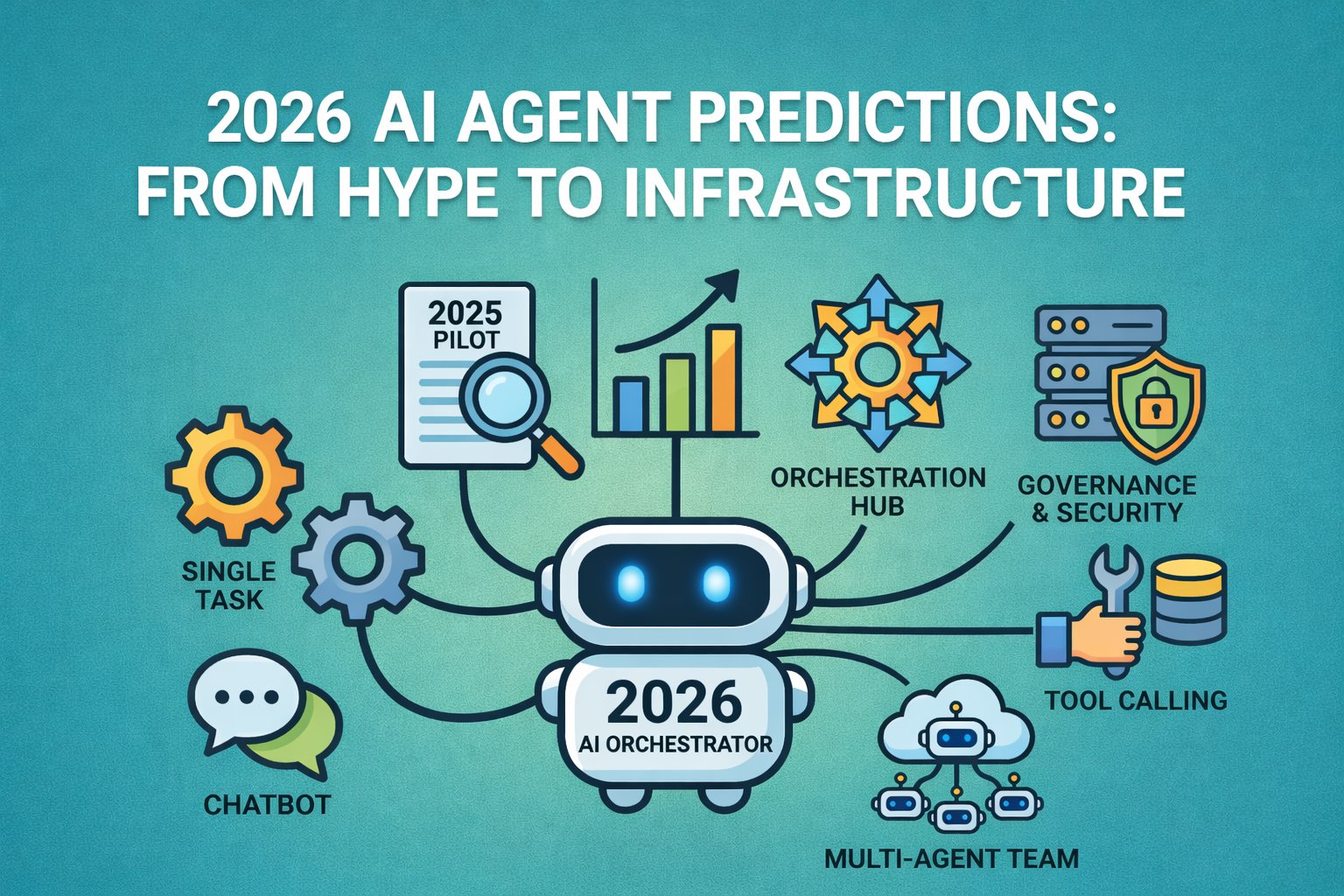
2026 AI Agent Predictions From Deloitte, Gartner and IBM
What 12+ analyst reports actually predict for AI agents and tool calling in 2026, summarised — with the points where they disagree.
The Gen AI Paradox: Why Agentic AI Stalls Before Production
Most agent pilots never scale. The technology works; the pilot dies at the security review. What has to be true before an agent programme reaches production.
Book a demo
See what governed AI agents look like.
A 20-minute demo on your stack. We'll show Palma working with the agents, tools and identity provider you already run.
- Enterprise security
- Role-based access
- Instant integration